What Is a Composite Filling? Benefits, Procedure and What to Expect
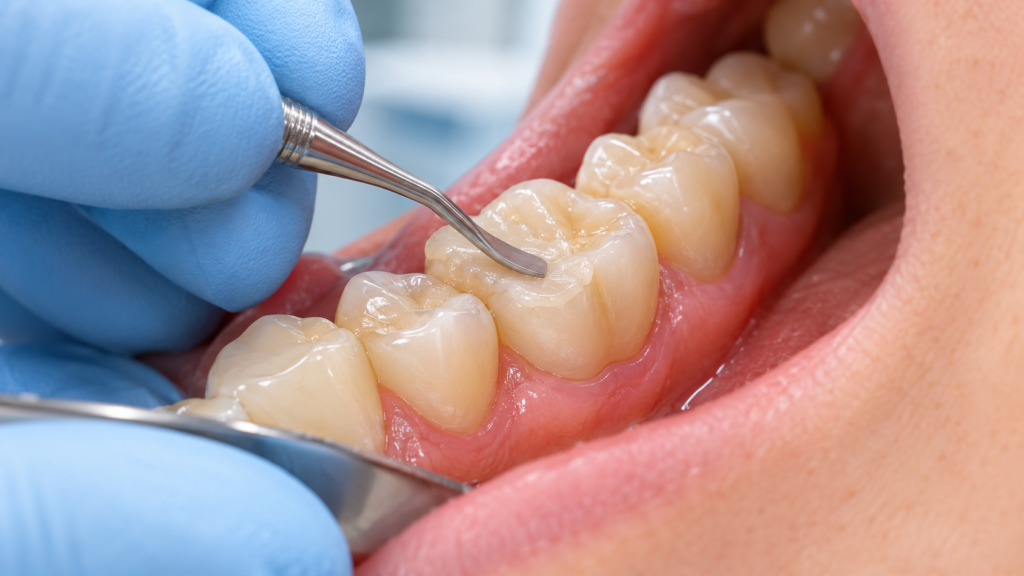
A composite filling is a tooth-coloured restoration used to repair decayed or damaged teeth, providing a natural-looking and functional result. At Mallards Dental Practice in Henfield, we offer these advanced restorations to blend seamlessly with your smile. This guide explains what composite fillings are, when they are recommended, the step-by-step procedure, benefits and risks, aftercare, costs, and answers common questions specific to these restorations.
What Is a Composite Filling?
This type of dental restoration is made from a resin-based material combined with fine glass particles. This mixture is carefully matched to your natural tooth shade and designed to restore lost or damaged tooth structure while bonding securely to the tooth surface. The result is a filling that looks and feels like part of your original tooth, providing a durable and discreet repair.
Materials Used and Their Safety
Composite fillings are made from a blend of synthetic resins such as bis-GMA or UDMA and finely ground glass fillers, which provide strength and translucency. These materials are mercury-free and widely regarded as safe and biocompatible for most patients. Allergic reactions are extremely rare. Composite fillings have been extensively studied and are widely used in dentistry.
When Might You Need a Composite Tooth Filling?
Composite fillings are commonly recommended for:
- Treating cavities caused by tooth decay
- Repairing small chips or fractures in teeth
- Restoring worn teeth where a filling is appropriate
- Replacing or repairing defective or old fillings
These restorations are suitable for many situations but may not be the best choice for large cavities, teeth under heavy biting forces, or extensive damage. In such cases, your dentist may suggest crowns or other restorations after clinical assessment.
Step-by-Step Procedure for Getting a Composite Filling
The process for placing this type of filling involves several precise steps to ensure a strong, natural-looking restoration.
1. Examination and Treatment Planning
Your dentist will examine the affected tooth visually and may take X-rays to assess the extent of decay or damage. This helps determine if a composite filling is the most suitable option.
2. Local Anaesthetic and Tooth Preparation
If needed, a local anaesthetic is administered to numb the area. At Mallards Dental Practice, we use The Wand system, which delivers local anaesthetic slowly and in a controlled manner. The decayed or damaged tooth material is then carefully removed, and the cavity is shaped to prepare for the filling.
3. Isolation and Bonding
To ensure a strong bond, the tooth is isolated from saliva and moisture, often using a rubber dam or cotton rolls. An adhesive bonding agent is applied to the prepared tooth surface.
4. Placement of Composite Material
The composite resin is applied in layers. Each layer is carefully shaped to restore the tooth’s natural contours and then hardened using a special curing light.
5. Shaping and Polishing
Once the final layer is cured, your dentist will check your bite and make any necessary adjustments. The filling is then polished to a smooth, natural finish. Most composite fillings are completed in a single appointment.
Benefits of Composite Tooth Fillings
Composite fillings offer several advantages over other filling materials:
- Natural appearance: The resin can be closely matched to your tooth colour, making the filling virtually invisible.
- Strong bond: Composite resin bonds directly to the tooth, which can help support and reinforce the remaining tooth structure.
- Conservative treatment: Less healthy tooth tissue needs to be removed compared to some other materials.
- Versatility: Suitable for both front and back teeth in many cases.
- Repairable: Minor chips or wear can often be repaired without replacing the entire filling.
- Mercury-free: Unlike amalgam fillings, composites contain no mercury.
Potential Risks or Side Effects of Composite Fillings
While composite fillings are safe and effective, some limitations and risks include:
- Temporary sensitivity: Mild sensitivity to hot, cold, or pressure is common after placement and usually resolves within days or weeks. Persistent sensitivity should be evaluated by your dentist.
- Wear and chipping: Composite material can be more prone to wear or fracture than metal fillings, especially on chewing surfaces or in patients who grind their teeth.
- Staining: Composite resin may stain over time from foods and drinks such as tea, coffee, or red wine.
- Technique sensitivity: The procedure requires a dry environment; moisture contamination can reduce the filling’s durability.
- Rare allergic reactions: Allergies to composite materials are very uncommon.
- Risk to tooth pulp: Deep cavities may irritate the nerve inside the tooth, occasionally requiring further treatment such as root canal therapy.
If you experience ongoing pain, swelling, or a broken filling, contact your dentist promptly. Severe symptoms such as facial swelling affecting breathing or swallowing require emergency medical attention, call 999.
Longevity and Durability of Composite Fillings
Composite fillings typically last between 5 and 10 years, depending on factors such as:
- Size and location of the filling
- Chewing forces and habits (e.g., teeth grinding)
- Oral hygiene and risk of further decay
- Quality of placement and moisture control during procedure
- Regular dental check-ups and maintenance
Your dentist will monitor your fillings at routine visits and advise if repair or replacement is needed.
Aftercare: How to Care for Your Filling
To help your restoration last as long as possible:
- Brush twice daily with fluoride toothpaste
- Clean between teeth daily using floss or interdental brushes
- Limit sugary snacks and drinks, especially between meals
- Avoid biting hard objects or using teeth as tools
- Attend regular dental check-ups and professional cleanings
Good oral hygiene and professional care reduce the risk of decay around fillings and help maintain your oral health.
Cost of Composite Fillings in the UK
The cost of this treatment depends on the tooth involved, the size and complexity of the cavity, and whether the treatment is private or NHS. At Mallards Dental Practice, composite fillings start from £154. This is a guide price; your dentist will provide an individual estimate after assessment. For a full list of fees, see our Mallards Dental Fee Guide.
Composite fillings may be available on the NHS if clinically appropriate. Your dentist will explain your options and any associated costs.
Composite Fillings Compared to Amalgam Fillings
Composite fillings are tooth-coloured and bond directly to the tooth surface, offering a discreet and conservative restoration. Amalgam fillings are silver-coloured metal alloys, often chosen for their durability in large back teeth. The choice depends on the tooth, cavity size, and patient preference. For a detailed comparison, see Dental Amalgam vs Composite Fillings: Which Is Better for Your Teeth?.
Frequently Asked Questions About Composite Fillings
Most patients find the procedure comfortable, as local anaesthetic is used when necessary. You may feel pressure or vibration, but local anaesthetic is used when needed to help minimise discomfort. Mild sensitivity after treatment is common and usually resolves quickly.
Yes, composite fillings are suitable for molars and premolars in many cases. Your dentist will assess the cavity and chewing forces to determine suitability.
The composite resin is fully hardened before you leave the practice. You can eat once the numbness wears off, but take care not to bite your cheek or tongue while numb.
Minor chips or wear can often be repaired without replacing the entire filling. Your dentist will advise based on the condition of the filling.
Both use similar tooth-coloured resin materials, but composite fillings repair decay or damage, while composite bonding is mainly for cosmetic improvements such as reshaping teeth. For more information, see our Tooth Filling Guide.
Composite Fillings at Mallards Dental Practice in Henfield
Mallards Dental Practice in Henfield, West Sussex, offers a wide range of restorative and cosmetic dental treatments, including natural-looking composite fillings. Our experienced team uses advanced technology such as CEREC for single-visit permanent restorations and The Wand system for gentle anaesthesia. After a thorough assessment, we will discuss all suitable options and help you choose the right treatment for your needs. Learn more about Dental Fillings at Mallards Dental or visit our contact page to arrange an appointment.