7 Signs of Gum Disease You Shouldn’t Ignore
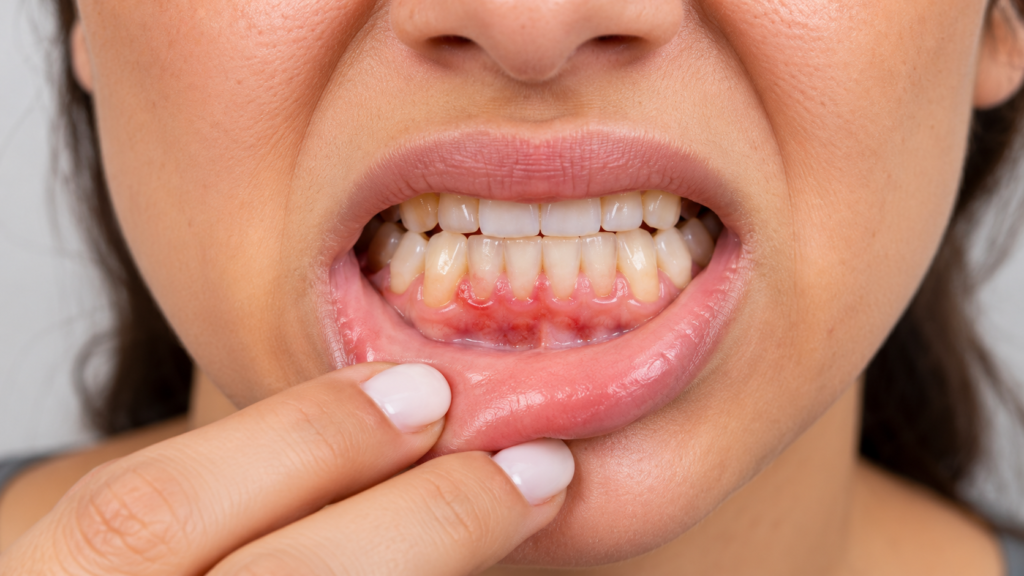
Gum disease is a common oral health condition that often develops gradually, sometimes without obvious pain. Early signs include bleeding, swollen or tender gums and persistent bad breath. Gum recession may also be a sign of gum disease. Recognising these signs early is important to protect your long-term dental health. This guide explains the main signs of gum disease, how to check your gums at home, and when to seek advice from a dentist in Henfield.
What Is Gum Disease?
Gum disease is inflammation or infection of the tissues supporting your teeth, primarily caused by bacteria (dental plaque) accumulating around the gumline. If plaque is not removed regularly, it irritates the gums, causing swelling and bleeding. There are two main stages:
- Gingivitis: Early gum inflammation limited to the gums.
- Periodontitis: More advanced infection affecting deeper tissues and bone.
If untreated, gum disease can progress and may lead to tooth loss and other complications.
7 Common Signs of Gum Disease
Signs of gum disease vary between individuals. You may notice several symptoms or only one or two. Watch for these seven key signs:
1. Bleeding Gums
Bleeding during brushing, flossing, or eating certain foods can indicate gum inflammation. Occasional bleeding might result from brushing too hard, but regular bleeding is not normal and should be evaluated. Some health conditions or medications can also increase bleeding risk, so persistent bleeding warrants a dental check.
2. Red or Swollen Gums
Healthy gums are usually pink, though natural shades vary. Gums that appear redder or puffier than usual often indicate irritation from plaque. Swelling is your body’s response to inflammation, so persistent puffiness should be assessed by a dentist.
3. Sore or Tender Gums
Discomfort such as soreness when brushing or eating, or tenderness around the gumline, can signal gum inflammation. Gum disease can sometimes progress without pain, so even mild discomfort should not be ignored.
4. Persistent Bad Breath or Unpleasant Taste
Ongoing bad breath or a constant unpleasant taste may be caused by bacteria linked to gum inflammation. These bacteria release compounds that cause odour and taste changes. However, bad breath can also stem from other causes like dry mouth or sinus issues. For more information, see our guide on bad breath and oral health.
5. Receding Gums
If your gums appear to be pulling away from your teeth, making teeth look longer or exposing roots, this is gum recession. It may cause sensitivity to hot, cold, or sweet foods. While advanced gum disease can cause recession, other factors like aggressive brushing may also contribute. Any gum changes should be checked.
6. Loose or Shifting Teeth
Adult teeth should feel stable. If a tooth feels loose, gaps appear between teeth, or your bite feels different, it may indicate damage to supporting tissues. These changes require prompt dental assessment.
7. Pus or Abscesses Around the Gums
Pus, swelling, or tender areas on the gums may indicate a dental infection such as an abscess. This is a serious sign often linked to severe gum disease or other dental issues. Suspected abscesses need urgent dental attention.
Note: These symptoms may suggest gum disease, but only a dental professional can confirm a diagnosis and recommend treatment.
Early vs Advanced Gum Disease: What’s the Difference?
Gum disease ranges from mild to severe depending on tissue involvement. Early gum problems are often reversible, while advanced disease may cause lasting damage.
Gingivitis (Early Gum Disease)
Gingivitis is inflammation confined to the gums. Signs include bleeding, redness, and swelling without bone loss. With effective plaque removal and professional care, gingivitis can usually be reversed.
Periodontitis (Advanced Gum Disease)
Periodontitis occurs when inflammation damages the tissues and bone that support teeth. Signs include gum recession, persistent swelling, tooth movement, and sometimes tooth loss. Damage is generally irreversible, but treatment can control further progression.
| Feature | Gingivitis | Periodontitis |
| Gum inflammation | Present | Present |
| Bleeding gums | Common | May occur |
| Gum recession | Not typical | Common |
| Bone loss | No | Yes |
| Loose teeth | Uncommon | Possible |
| Reversibility | Generally reversible | Damage usually irreversible |
| Treatment | Plaque control, professional care | Periodontal therapy, maintenance |
Not all gingivitis progresses to periodontitis; early intervention is key.
How to Self-Examine Your Gums at Home
Regular self-checks can help you spot early signs of gum disease. Here’s how to examine your gums effectively:
- Wash your hands thoroughly before touching your mouth.
- Use a mirror in good light to inspect your gums.
- Look for colour changes: healthy gum colour varies naturally between individuals. Changes from your usual gum colour may indicate inflammation.
- Check for swelling or puffiness around the gumline.
- Observe if gums bleed easily during brushing or interdental cleaning.
- Notice any recession where gums appear to pull away from teeth.
- If you notice an unexplained lump, persistent ulcer, or red or white patch in your mouth, seek prompt dental assessment. These symptoms may have causes other than gum disease.
- Pay attention to any persistent bad breath or taste.
If you notice any of these signs, make a note and book a dental appointment promptly.
What to Do If You Notice Signs of Gum Disease
If you spot symptoms:
- Don’t ignore them. Early signs like bleeding or swelling are easier to manage.
- Improve your oral hygiene: Brush twice daily for two minutes with fluoride toothpaste and clean between teeth daily using floss or interdental brushes.
- Avoid smoking and maintain a balanced diet.
- Book a dental appointment for a professional assessment and personalised advice.
If you experience severe pain, swelling, pus, or loose teeth, seek urgent dental care. If you experience difficulty breathing or swallowing due to swelling or a suspected dental infection, call 999 or go to A&E immediately.
Emotional Impact of Gum Disease and How to Cope
Gum disease can affect more than your oral health. It may cause anxiety, embarrassment, or self-consciousness about your smile and breath. Coping strategies include:
- Seeking support from dental professionals who provide clear information and reassurance.
- Discussing concerns openly with your dentist or hygienist.
- Focusing on positive steps you can take to improve your oral health.
- Consider counselling or support groups if anxiety affects your wellbeing.
Mallards Dental Practice in Henfield emphasises patient-centred care to support both your physical and emotional needs.
Causes and Risk Factors for Gum Disease
Gum disease is primarily caused by plaque build-up, but several factors increase your risk:
- Poor oral hygiene habits
- Smoking or tobacco use, which also delays healing and masks symptoms
- Diabetes, especially if poorly controlled
- Family history of gum disease
- Hormonal changes (e.g., pregnancy, menopause)
- Certain medications that reduce saliva flow or affect gums
- Stress and poor nutrition
Understanding your risk helps you take targeted preventive steps.
Can Gum Disease Be Treated or Reversed?
Treatment depends on the stage:
Gingivitis
- Improved daily oral hygiene including brushing and interdental cleaning
- Professional removal of plaque and tartar
- Tailored advice and support from your dental team
- Addressing risk factors such as smoking cessation
Periodontitis
- Deep cleaning below the gumline (scaling and root planing)
- Regular periodontal maintenance and monitoring
- Referral to a specialist if needed
- Managing contributing health factors
Antibiotics are not routinely prescribed and only used when clinically indicated. For more details, see periodontal treatment.
How to Prevent Gum Disease and Protect Your Gums
Protect your gums by:
- Brushing twice daily for two minutes with fluoride toothpaste (1,350–1,500 ppm fluoride)
- Cleaning between teeth daily using the right size interdental brushes or floss
- Spitting out toothpaste after brushing but avoiding rinsing to retain fluoride
- Avoiding tobacco products
- Managing health conditions like diabetes with your healthcare team
- Attending regular dental appointments and regular visits to a dental hygienist
- Following professional advice on oral care
Good home care complements but does not replace professional preventive dentistry.
Concerned About Your Gum Health? Visit Mallards Dental Practice in Henfield
Mallards Dental Practice in Henfield offers comprehensive dental examinations and a full range of gum care services. Early professional assessment helps prevent complications and ensures care tailored to your needs. Our team provides periodontal evaluations, effective gum disease treatment, and practical oral hygiene advice. If you notice bleeding, bad breath, or changes in your gums, contact us to arrange an appointment.
Frequently Asked Questions About Gum Disease
Common signs include bleeding, red or swollen gums, persistent bad breath, gum recession, and loose teeth. If you notice any, seek a dental assessment.
Gum disease itself is not usually fatal. However, severe dental infections can spread and become serious. Advanced gum disease is linked with some health conditions, but these are associations, not proven causes. If swelling affects breathing or swallowing, seek emergency help immediately.
Maintain good oral hygiene by brushing twice daily and cleaning between teeth daily. Avoid smoking and reduce sugar intake. Early gum inflammation may improve with home care, but established periodontitis requires professional treatment.
Gingivitis can usually be reversed with good oral hygiene and professional care. Damage from periodontitis is generally irreversible but can be managed to prevent progression.
Yes. Some people, especially smokers, may not experience bleeding even if gum disease is present. Regular dental check-ups help detect hidden problems.
No. Continue brushing gently and cleaning between teeth. Avoiding oral hygiene worsens the problem. Persistent bleeding should be checked by a dentist.
No. Gum inflammation requires thorough plaque removal and often professional care. Symptoms may improve temporarily, but underlying disease may persist.
Untreated gum disease can progress, damaging tissues and bone supporting teeth, leading to gum recession, loose teeth, and tooth loss. Early treatment helps protect your oral health.