Ulcers in Mouth: Common Causes, Symptoms, and When to Seek Treatment
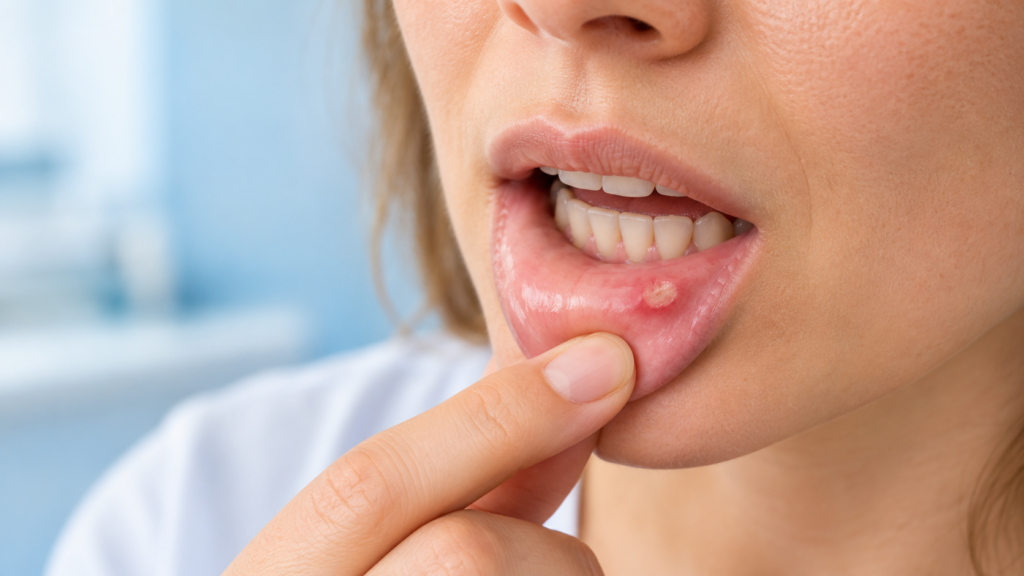
Ulcers in the mouth are common and often cause discomfort that can affect eating, speaking, and daily activities. While most ulcers heal naturally within one to two weeks, some may be persistent, severe, or signal an underlying health issue requiring professional care. This article explains what ulcers in the mouth are, their biological formation, common causes, symptoms, treatment options, prevention, and when to seek dental advice.
What Are Mouth Ulcers?
Mouth ulcers are small, painful sores that develop on the soft tissues inside the mouth, such as the cheeks, lips, tongue, gums, or floor of the mouth. They usually appear as round or oval lesions with a white, yellow, or grey centre surrounded by a red inflamed border. Unlike cold sores, most mouth ulcers are not contagious and typically heal without treatment within 7 to 14 days.
Types of Mouth Ulcers
- Aphthous ulcers (canker sores): The most common type, these are shallow, round ulcers with a pale centre and red edge.
- Cold sores (herpetic ulcers): Caused by the herpes simplex virus, usually appearing on or around the lips but sometimes inside the mouth. These are contagious.
- Traumatic ulcers: Result from injury such as biting the cheek, irritation from braces, dentures, or hot food.
- Major and minor ulcers: Minor ulcers are small and heal quickly; major ulcers are larger, deeper, and may scar.
- Herpetiform ulcers: Multiple tiny ulcers that can cluster and merge into larger sores.
Understanding the type of ulcer helps guide appropriate care.
Biological Mechanism Behind Ulcer Formation
Ulcers form when the protective mucosal lining of the mouth is damaged or disrupted. The process involves:
- Triggering event: Physical injury, infection, or immune system activation damages the oral mucosa.
- Inflammatory response: The immune system responds to damage by sending white blood cells to the area, causing redness, swelling, and pain.
- Tissue breakdown: Immune cells clear damaged cells, leading to the formation of an ulcer with a fibrinous (white or yellow) base.
- Ulcer development: The sore becomes visible with inflamed surrounding tissue.
- Healing phase: New epithelial cells regenerate to cover the ulcer, usually within 1–2 weeks unless persistent irritation or disease interferes.
In some individuals, an exaggerated immune response to minor triggers causes recurrent or severe ulcers.
Common Causes of Ulcers in the Mouth
Several factors can cause or contribute to ulcers in the mouth:
- Physical trauma: Accidental biting, sharp teeth, ill-fitting dentures, or orthodontic appliances.
- Emotional stress: Stress and anxiety are linked to increased ulcer occurrence.
- Hormonal changes: Fluctuations during menstruation or pregnancy may trigger ulcers.
- Nutritional deficiencies: Lack of iron, vitamin B12, or folic acid can increase susceptibility.
- Infections: Viral (herpes simplex), bacterial, or fungal infections may cause ulcers.
- Systemic conditions: Diseases such as coeliac disease, Crohn’s disease, or Behçet’s syndrome can present with recurrent mouth ulcers.
- Medications: Some drugs, including non-steroidal anti-inflammatory drugs (NSAIDs) and beta-blockers, can cause ulcers as side effects.
If ulcers are frequent, severe, or persistent, it’s important to seek professional evaluation to identify any underlying causes.
Symptoms and Appearance of Mouth Ulcers
Typical symptoms include:
- Painful, round or oval sores inside the mouth with a white, yellow, or grey centre and a red border
- Discomfort when eating, drinking, or brushing teeth
- Sensitivity to spicy, acidic, or rough-textured foods
- Mild swelling around the ulcer
The size and number of ulcers vary by type. Major ulcers are larger and more painful, while herpetiform ulcers appear as clusters of small sores.
Differentiating Mouth Ulcers from Other Oral Conditions
| Condition | Appearance | Key Differences |
| Mouth ulcer | White/yellow centre, red border | Painful, inside mouth, heals in 1–2 weeks |
| Cold sore | Fluid-filled blister, often on lips | Caused by herpes virus, contagious, tingling before blister appears |
| Oral thrush | Creamy white patches, can be wiped off | Fungal infection, soreness but no ulcers |
| Leukoplakia | Thick white patches, cannot be wiped off | Usually painless, linked to tobacco or irritation |
| Lichen planus | Lacy white patches with possible sores | Chronic condition, may cause discomfort, requires monitoring |
If uncertain about a sore, consult a dental professional for diagnosis and advice.
How to Treat Mouth Ulcers at Home
Most mouth ulcers heal without medical treatment. To ease symptoms and support healing:
- Avoid spicy, acidic, salty, or rough foods that irritate ulcers.
- Maintain gentle oral hygiene with a soft-bristled toothbrush and non-irritant toothpaste.
- Rinse your mouth with warm salt water as needed. Dissolve half a teaspoon of salt in a glass of warm water, gently rinse your mouth and spit it out. Do not swallow the solution.
- Use over-the-counter topical gels or mouthwashes designed for ulcers to reduce pain.
- Stay hydrated by drinking plenty of water.
- Avoid smoking and limit alcohol, both of which can delay healing.
Natural remedies like honey or coconut oil may soothe ulcers but lack strong scientific evidence. Do not apply aspirin directly to ulcers as it can cause burns.
Managing Severe or Recurrent Mouth Ulcers: A Step-by-Step Guide
For those with frequent or severe ulcers, consider:
- Keeping a diary: Track foods, stress levels, and symptoms to identify triggers.
- Addressing nutritional deficiencies: Request blood tests from your GP for iron, vitamin B12, and folate levels.
- Managing stress: Use relaxation techniques such as mindfulness or breathing exercises.
- Checking dental appliances: Ensure braces, dentures, or other appliances fit well and do not irritate the mouth; consult your dentist for adjustments.
- Seeking regular dental care: Professional monitoring and advice can help manage recurrent ulcers.
If ulcers cause significant pain, interfere with eating, have not healed after two weeks, or are getting worse, seek professional advice.
When to See a Dentist or Doctor
Most mouth ulcers resolve without treatment, but see a healthcare professional if you experience:
- Ulcers that have not healed after two weeks, are getting worse, or last longer than three weeks
- Large, persistent, or multiple ulcers appearing simultaneously
- Painless, firm, or unusual-looking sores
- Additional symptoms such as fever, difficulty swallowing, unexplained weight loss, or swollen lymph nodes
Dentists at Mallards Dental in Henfield can assess oral ulcers and refer you to a GP or specialist if necessary. To arrange an assessment, contact Mallards Dental. For suspected spreading dental infection, seek urgent dental advice or contact NHS 111. If you have difficulty breathing, speaking or swallowing due to swelling, call 999 or go to A&E immediately.
Prevention Tips for Mouth Ulcers
To reduce the risk of developing mouth ulcers:
- Brush gently with a soft-bristled toothbrush.
- Maintain good oral hygiene.
- Manage stress through relaxation techniques.
- Eat a balanced diet rich in iron, vitamin B12, and folic acid.
- Avoid foods that trigger ulcers, such as spicy, acidic, or rough-textured items.
- Protect your mouth from injury by using mouthguards during sports and ensuring dental appliances fit properly.
- Stop smoking and limit alcohol consumption.
- Attend regular dental check-ups and consider preventive dentistry services to maintain oral health.
The Psychological Impact of Recurrent Mouth Ulcers
Living with frequent mouth ulcers can affect emotional wellbeing and quality of life. Chronic pain and discomfort may lead to:
- Avoidance of certain foods, reducing enjoyment of meals
- Self-consciousness about speaking or smiling
- Feelings of frustration, anxiety, or embarrassment
- Absences from work or school due to pain or difficulty eating
If ulcers are impacting your mental health or daily activities, discuss this with your dentist or GP. They can offer coping strategies, pain management options, and support for underlying causes.
Latest Research and Emerging Treatments
Ongoing research aims to improve treatment for chronic or severe mouth ulcers. Emerging options include:
- Immune-modulating medications: Targeting the immune response to reduce ulcer frequency and severity.
- Advanced topical agents: Designed to decrease inflammation and promote tissue repair.
Your dentist can provide information on current evidence-based treatments and refer you to specialists if needed.
Mouth Ulcers in Children and Adults
Mouth ulcers affect all ages but causes and management may differ:
- Children: Often caused by minor injuries, viral infections, or stress. Most ulcers heal quickly, but persistent or severe cases require assessment.
- Adults: Stress, nutritional deficiencies, and systemic illnesses are common causes. Ill-fitting dental appliances may also contribute.
- Older adults: Healing may be slower; ulcers linked to dry mouth or dentures should be evaluated.
- Immunocompromised individuals: Higher risk of severe or persistent ulcers; prompt professional advice is important.
Inform your dentist if you or a family member experiences frequent or severe ulcers to ensure appropriate care.
Frequently Asked Questions About Mouth Ulcers
Common causes include minor trauma, stress, hormonal changes, nutritional deficiencies, infections, and systemic health conditions.
Most are not contagious. Cold sores caused by the herpes simplex virus are an exception and can spread through close contact.
Typically, ulcers heal within one to two weeks. Ulcers that have not healed after two weeks or are getting worse should be assessed by a healthcare professional. Ulcers lasting longer than three weeks require professional evaluation.
Painful sores inside the mouth with a white or yellow centre and red border, often sensitive to certain foods and oral hygiene.
Avoid irritants, maintain gentle oral hygiene, use saltwater rinses, and apply over-the-counter pain relief gels.
If ulcers are large, very painful, have not healed after two weeks, are getting worse, recurrent, or accompanied by other symptoms like fever or weight loss.
Persistent or recurring ulcers may indicate underlying conditions such as coeliac disease, Crohn’s disease, or rarely, oral cancer. Professional evaluation is essential.
Avoid spicy, acidic, salty, or rough-textured foods that may irritate ulcers.
Practice gentle oral care, manage stress, address nutritional deficiencies, protect your mouth from injury, and attend regular dental check-ups.
Research is ongoing into immune-targeting medications, laser therapy, and advanced topical treatments. Consult your dentist for current options.