Orthodontic Explained: Everything You Need to Know Before Treatment
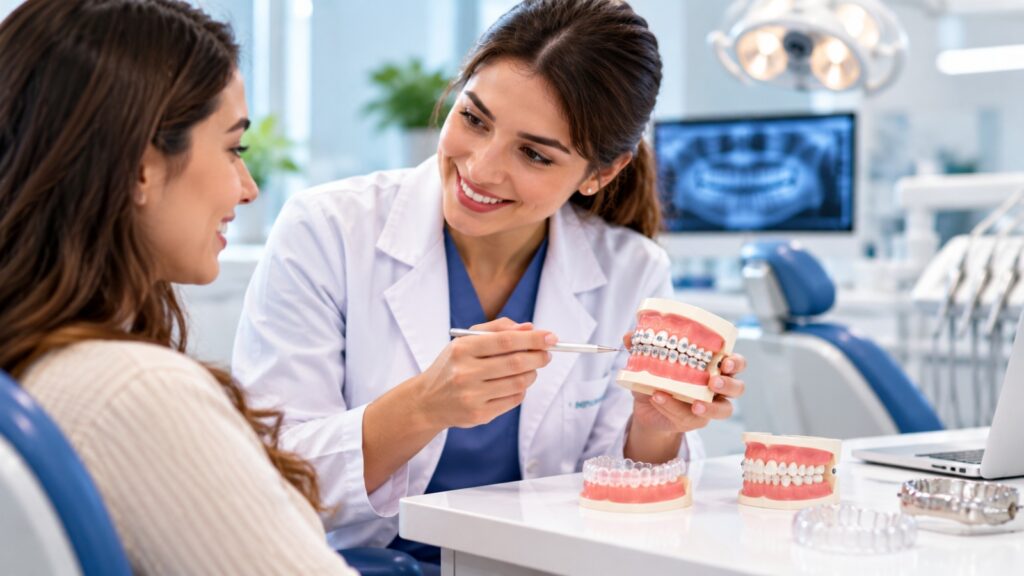
Orthodontics is a specialised branch of dentistry focused on diagnosing, preventing, and correcting irregularities in the position of teeth and jaws. At Mallards Dental Practice in Henfield, West Sussex, we aim to provide clear, comprehensive information to help you understand orthodontic care, including the latest technologies and how treatment can benefit your oral health and confidence.
What Does Orthodontic Care Involve? Understanding the Basics
This field involves the assessment and management of misaligned teeth and jaws. This includes straightening crooked teeth, closing gaps, and correcting bite issues such as overbite, underbite, crossbite, and open bite. These corrections improve not only appearance but also oral function, hygiene, and overall dental health.
Modern treatment uses a variety of techniques and appliances to achieve these goals, tailored to each patient’s needs. At Mallards Dental, orthodontic care is integrated with other dental services, ensuring a holistic approach to your oral health. You can explore our full range of dental treatments to see how this specialty fits within comprehensive care.
Common Orthodontic Problems: Why Treatment Matters
Orthodontic treatment addresses several common issues that can affect oral health and quality of life:
- Crowded or crooked teeth: These can make cleaning difficult, increasing the risk of tooth decay and gum disease.
- Gaps between teeth: May impact bite function and aesthetics.
- Bite problems (overbite, underbite, crossbite, open bite): Can cause jaw discomfort, speech difficulties, and uneven tooth wear.
- Jaw alignment issues: Certain jaw or bite discrepancies may affect oral function and require individual clinical assessment.
Early diagnosis and treatment can prevent complications and support better oral health outcomes over time.
Types of Orthodontic Treatments: Braces, Aligners, and More
Orthodontic appliances vary in design, visibility, and suitability depending on individual cases:
- Traditional fixed braces: Metal brackets and wires attached to teeth, effective for a wide range of alignment issues but visible.
- Ceramic or tooth-coloured braces: Similar to metal braces but less noticeable.
- Lingual braces: Fixed to the back surfaces of teeth, making them hidden from view but potentially affecting speech initially.
- Clear aligners: Removable, transparent trays that gradually move teeth. Invisalign clear aligners are a well-known brand suitable for mild to moderate cases.
- Removable appliances: Used for minor corrections or as part of phased treatment.
Mallards Dental offers a variety of orthodontic treatments at Mallards Dental tailored to patient needs, including fixed braces, clear aligners, and Quick Straight Teeth.
Comparing Orthodontic Appliances
| Appliance Type | Visibility | Comfort | Suitability |
| Metal braces | Visible | Reliable | Most cases |
| Ceramic braces | Less visible | Similar to metal | Most cases |
| Clear aligners | Nearly invisible | Removable | Mild to moderate cases |
| Lingual braces | Hidden | May affect speech temporarily | Selected cases |
Who Can Benefit from Orthodontic Treatment?
Orthodontic treatment is suitable for children, teenagers, and adults:
- Children: Early assessment from around age 7 can identify developing issues and guide timely intervention.
- Teenagers: Most common age group for orthodontic treatment as permanent teeth have usually erupted.
- Adults: Increasingly seeking orthodontic care, with discreet options making treatment more accessible.
Depending on individual clinical needs, orthodontic treatment may improve dental alignment, bite function, and smile appearance. A dental professional will assess your individual needs and recommend appropriate treatment options.
The Orthodontic Treatment Process: Step by Step
- Initial assessment: Examination of teeth, jaws, and facial structure, often including X-rays or digital scans.
- Treatment planning: Discussion of goals, options, and expected outcomes.
- Appliance fitting: Placement of braces or provision of aligners/removable devices.
- Regular adjustments: Periodic visits to monitor progress and make necessary changes.
- Completion and retention: Removal of active appliances and fitting of retainers to maintain results.
- Aftercare: Ongoing oral hygiene and routine dental check-ups to support long-term success.
Treatment duration varies widely, typically ranging from several months to a few years depending on complexity and appliance type.
Benefits of Orthodontic Treatment: Beyond Appearance
This treatment offers multiple benefits:
- Improved oral hygiene: Straighter teeth are easier to clean, reducing decay and gum disease risk.
- Enhanced function: Better chewing, speech, and jaw comfort.
- Psychological and social benefits: Many patients experience increased self-esteem and confidence, positively affecting social interactions
- Long-term dental health: Long-term dental health: In certain cases, correcting bite problems may help manage uneven tooth wear and support healthy dental function.
These benefits contribute to overall wellbeing and quality of life.
Risks and Side Effects: What to Expect
Orthodontic treatment is generally safe but may involve:
- Temporary discomfort: Mild soreness after adjustments is common.
- Oral hygiene challenges: Appliances can trap food and plaque, requiring diligent cleaning.
- Root resorption: Orthodontic tooth movement can cause some shortening of tooth roots. The extent varies between patients, and significant root shortening is less common.
- Relapse: Teeth may shift back if retainers are not worn as directed.
Following your dentist’s advice on care and attending all appointments helps minimise risks.
Cost and Financing: Planning Your Orthodontic Care
The cost of orthodontic treatment depends on factors including appliance type, treatment complexity, and duration. Mallards Dental provides transparent information and flexible payment options. For details, see our treatment costs and payment options.
When choosing treatment, consider:
- Lifestyle: Removable aligners offer flexibility; fixed braces require commitment but may suit more complex cases.
- Appearance: Clear or tooth-coloured appliances are less noticeable.
- Comfort and maintenance: Some appliances are easier to clean or adapt to than others.
- Professional guidance: Your dentist will recommend the best option for your needs.
New Technologies and Innovations in Teeth Straightening
This field continues to advance with new technologies improving treatment precision and patient experience:
- Digital scanning and 3D treatment planning: Allow for customised, accurate appliance design.
- Single-visit restorations: Technologies like CEREC support integrated dental care alongside orthodontic treatment.
- Computer-controlled anaesthesia: Systems such as The Wand are designed to improve comfort during the administration of local anaesthetic, although some discomfort may still occur.
- Combined aesthetic treatments: Teeth straightening can be integrated with whitening, veneers, or other cosmetic procedures for comprehensive smile enhancement.
Mallards Dental embraces evidence-based, patient-centred care utilising these innovations.
Psychological and Social Benefits of Orthodontic Treatment
Beyond physical improvements, orthodontic treatment can positively affect mental wellbeing. Patients often report:
- Increased self-confidence and willingness to smile.
- Enhanced social interactions and reduced self-consciousness.
- Improved quality of life related to appearance and oral function.
These benefits highlight the holistic value of orthodontic care.
Environmental Impact of Teeth Straightening Treatments
Sustainability is an emerging focus in dental care. Orthodontic treatments involve the use of appliances and materials that may require specific disposal arrangements.
Choosing the Right Orthodontic Treatment for Your Lifestyle
Selecting an orthodontic appliance involves balancing factors such as:
- Visibility: Clear aligners or ceramic braces for discreet treatment.
- Convenience: Removable aligners allow eating and cleaning without restrictions.
- Compliance: Fixed braces may suit those less likely to wear removable devices consistently.
- Treatment complexity: Some appliances are better suited for complex corrections.
Your dentist will help you weigh these considerations to find the best fit for your lifestyle and treatment goals.
Frequently Asked Questions About Teeth Straightening
This specialty is a recognised dental field focused on tooth and jaw alignment. “Orthodental” is not an official specialty and often refers to dental products or services related to teeth straightening but lacks formal clinical status.
It addresses crooked or crowded teeth, gaps, and bite issues such as overbite, underbite, crossbite, and jaw alignment problems.
Options include metal braces, ceramic braces, lingual braces, clear aligners like Invisalign clear aligners, and removable devices.
Treatment duration varies from several months to a few years, depending on case complexity and appliance type.
Yes, adults of all ages can benefit from these treatments, with many discreet and comfortable options available.
Potential risks include temporary discomfort, oral hygiene challenges, root resorption of varying severity, and teeth shifting after treatment.
Costs vary by treatment type and complexity. See our treatment costs and payment options for details.
Wear retainers as instructed, maintain good oral hygiene, and attend regular dental check-ups. See our teeth straightening guide for more information.
Many patients experience increased confidence, improved social interactions, and enhanced self-esteem after treatment.