Crowns for Teeth: Your Complete Guide to Types, Procedure, Costs & Care
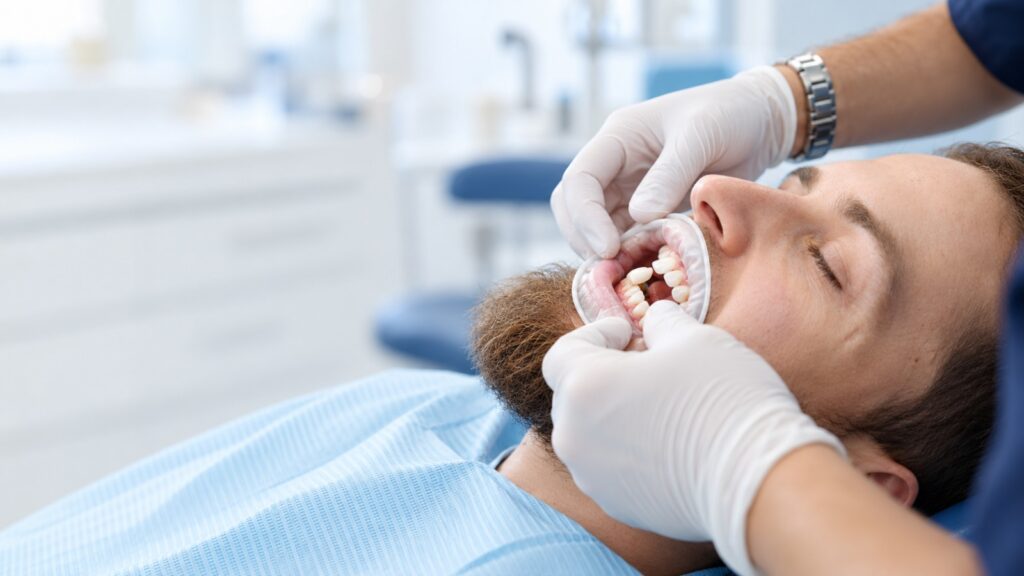
Crowns for teeth are custom-made caps designed to restore and protect damaged or weakened teeth. This guide covers everything you need to know about dental crowns: types, procedure, costs, aftercare, and the latest innovations, helping you make informed decisions about your dental health.
What Are Dental Crowns?
A dental crown is a tooth-shaped cover placed over a prepared natural tooth. It restores the tooth’s strength, function, and appearance by encasing it entirely. Crowns are custom-made to match your surrounding teeth, Designed to complement the appearance and function of your natural teeth
When and Why Are Dental Crowns Needed?
Dental crowns are recommended when a tooth is too damaged or weakened to be restored reliably with fillings or other treatments. Common reasons include:
- Large fillings or fractures that compromise tooth strength
- Teeth that have undergone root canal treatment, which tend to be more brittle
- Worn teeth caused by grinding (bruxism) or acid erosion
- Cosmetic improvements to the shape, size, or colour of a tooth
- Supporting a dental bridge to replace missing teeth
A dentist will assess your individual case and advise whether a crown is the most appropriate solution.
Types of Dental Crowns: Materials and Options
Dental crowns come in various materials, each with distinct advantages and considerations:
- All-ceramic or porcelain crowns: These offer excellent aesthetics and are often preferred for front teeth. Being metal-free, they provide a natural appearance and biocompatibility. Learn more about ceramic crowns.
- Zirconia crowns: Made from a strong, tooth-coloured ceramic, zirconia crowns combine durability with a natural look. They are suitable for both front and back teeth.
- Porcelain-fused-to-metal (PFM) crowns: These have a metal core for strength, covered with tooth-coloured porcelain. They are robust and aesthetically pleasing, though sometimes a thin metal edge may be visible near the gum line.
- Metal crowns (including gold alloys): Known for exceptional durability and minimal tooth removal, metal crowns are ideal for back teeth but less aesthetic due to their metallic colour.
- Composite resin crowns: Made from tooth-coloured resin, these are more affordable but generally less durable and more prone to wear and staining.
Each material suits different clinical needs, aesthetic preferences, and budgets. Your dentist will guide you to the best choice.
How to Choose the Right Crown Material for You
Choosing the appropriate crown material depends on several factors:
- Durability: Metal and zirconia crowns tend to last longer, especially for molars or teeth exposed to heavy biting forces.
- Appearance: Ceramic and porcelain crowns provide the most natural look, ideal for front teeth. Zirconia offers a balance of strength and aesthetics.
- Cost: Prices vary by material and complexity. Your dental team can help identify the most cost-effective option that meets your needs.
- Sensitivity or allergies: If you have metal sensitivities or allergies, inform your dentist to avoid unsuitable materials.
- Lifestyle: If you grind your teeth or participate in contact sports, stronger materials like zirconia or metal may be preferable.
- Environmental impact: Digital crown workflows, including CEREC, can reduce the need for physical impressions and temporary crowns in suitable cases.
Discuss these considerations with your dentist to select a crown material that aligns with your dental health, lifestyle, and values.
At Mallards Dental Practice in Henfield, West Sussex, we combine advanced technology, including CEREC for single-visit crowns and The Wand for comfortable anaesthesia, with patient-centred care to deliver high-quality restorations.
The Dental Crown Procedure: Step-by-Step
Fitting a dental crown involves several stages designed for patient comfort:
- Assessment and consultation: Your dentist examines the tooth and discusses treatment options.
- Tooth preparation: The tooth is shaped to create space for the crown. Local anaesthetic may be administered using The Wand, a computer-controlled delivery system. Your dentist will explain the anaesthetic process and discuss any concerns before treatment.
- Impression or digital scan: A digital scan (for CEREC crowns) or traditional impression is taken to capture the tooth’s details.
- Crown fabrication:
- With CEREC technology for single-visit crowns, the crown is designed and milled onsite, allowing for same-day fitting.
- For other crowns, a dental laboratory fabricates the crown, and a temporary crown is placed in the meantime.
- Fitting and adjustment: The permanent crown is fitted, checked for comfort, bite, and appearance, then bonded securely.
- Aftercare instructions: Your dentist provides guidance on caring for your new crown.
Inform your dental team about any allergies, medications, or dental anxieties before treatment.
Cost of Dental Crowns in the UK and Payment Options
The cost of dental crowns varies based on material, procedure complexity, and technology used:
Prices of dental crowns in private practices typically range from £500 to £1,200 per tooth. For detailed pricing at Mallards Dental Practice, see the Mallards Dental fee guide.
If cost is a concern, discuss payment plans or financing options with your dental practice.
How Long Do Dental Crowns Last? Durability and Maintenance
Dental crowns generally last between 5 and 15 years, sometimes longer with proper care. Longevity depends on:
- Crown material (metal and zirconia tend to be more durable)
- Oral hygiene practices
- Diet and habits such as grinding or nail biting
- Regular dental check-ups and professional cleanings
Maintaining good oral health helps protect both the crown and the underlying tooth.
Aftercare and Maintenance of Tooth Crowns
To ensure your crown remains in good condition:
- Brush twice daily with fluoride toothpaste and floss daily, especially around the crown margins.
- Avoid biting hard objects like ice, pens, or hard sweets.
- If you grind your teeth at night, consider a custom nightguard to protect your crown.
- Attend regular dental appointments for professional monitoring and cleaning.
Proper care supports the longevity and function of your crown.
Benefits of Dental Crowns
Dental crowns provide multiple benefits:
- Restore chewing and speaking function
- Protect and strengthen weakened or cracked teeth
- Enhance the appearance of discoloured, misshapen, or worn teeth
- Support dental bridges and other restorations
- Custom-made to blend naturally with your smile
- With CEREC technology, many crowns can be completed in a single visit
For cosmetic improvements, explore our cosmetic dentistry options.
Common Problems and Solutions with Dental Crowns
Most crown-related issues are manageable with prompt dental care:
- Sensitivity: Mild sensitivity after fitting is common and usually resolves within days.
- Loose or dislodged crowns: Contact your dentist immediately; do not attempt to reattach the crown yourself.
- Chips or cracks: Small chips may be repaired; larger damage may require crown replacement.
- Gum irritation or inflammation: Often caused by plaque accumulation or crown fit; improved hygiene and professional care usually resolve this.
Seek dental advice if you experience persistent pain, swelling, or a loose crown.
Innovations and Emerging Technologies in Dental Crowns
Recent advances have improved the comfort, efficiency, and aesthetics of dental crowns:
- CEREC single-visit crowns: Digital scanning and onsite milling enable many crowns to be fitted in one appointment. Learn more about CEREC technology for single-visit crowns.
- The Wand system: A computer-controlled device used to administer local anaesthetic during dental procedures.
- Advanced materials: New ceramics and zirconia blends offer improved strength and lifelike appearance.
- Digital impressions: More accurate and comfortable than traditional moulds, reducing the need for temporary crowns.
- Sustainability: Digital crown workflows can reduce the need for physical impressions and temporary crowns in suitable cases.
These innovations enhance patient experience and treatment outcomes.
Frequently Asked Questions About Tooth Crowns
A dental crown is a cap that covers a damaged or weakened tooth, restoring its function and appearance by protecting it from further damage.
People with cracked, broken, heavily filled, or root-treated teeth, or those seeking cosmetic improvements may benefit from crowns.
Metal crowns offer durability but less natural appearance. Porcelain and ceramic crowns provide a natural look, ideal for visible teeth. Resin crowns are more affordable but less durable.
Consider durability, aesthetics, cost, allergies, and lifestyle. Your dentist will help you select the most suitable option.
The tooth is prepared, scanned or moulded, and the crown is fitted, sometimes in a single visit with CEREC technology.
Modern anaesthesia techniques, including The Wand system and local anaesthesia, are commonly used during crown preparation. Your dentist can discuss what to expect. Some temporary sensitivity may occur.
With good care, crowns typically last 5 – 15 years or longer, depending on material and oral hygiene.
Brush and floss daily, avoid hard objects, and attend regular dental check-ups.
Risks include sensitivity, loosening, decay at crown margins, and the need for repair or replacement over time.
Minor damage may be treated with fillings or porcelain veneers. For unsalvageable teeth, options include dental implants or bridges.
Digital scanning, single-visit CEREC crowns, advanced ceramics, and computer-controlled anaesthesia are among the latest developments.
Contact your dentist promptly if your crown feels loose, painful, or damaged.
Yes, crowns are commonly placed after root canal treatment to protect and strengthen the tooth.
A crown covers the entire tooth for protection and strength, while a veneer is a thin layer bonded to the front surface for cosmetic enhancement.
When to Consider a Dental Consultation for Crowns
If you are considering crowns for teeth, a consultation with Mallards Dental Practice in Henfield is the best way to discuss your options. We offer a full range of restorative and cosmetic dentistry options . We use modern dental technology alongside a patient-centred approach to support patients throughout their treatment.
To learn more or book an appointment, explore our full range of dental treatments, call 01273 495 966, or email enquiries@mallardsdental.co.uk. Our practice is open 8:45am–5:45pm Monday to Friday, with evening and Saturday appointments available by arrangement. Facilities include disabled access, free parking, and free wifi.