Broken Tooth Repair in West Sussex: Treatment Options and Expert Advice
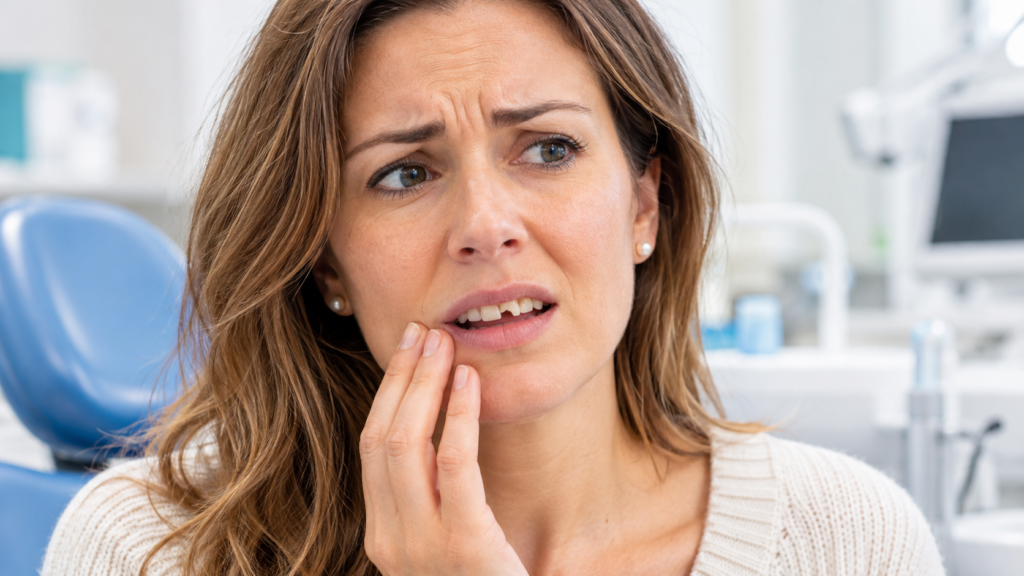
A broken tooth can occur unexpectedly, whether from biting hard foods, an accident, or weakened dental work. Prompt action is essential to protect your tooth and reduce the risk of complications. At Mallards Dental Practice in Henfield, West Sussex, our experienced team offers patient-centred care and advanced repair options, including same-day crowns using CEREC technology. This guide covers everything you need to know about broken tooth repair, from causes and immediate steps to treatment options, costs, and prevention.
Common Causes of Broken Teeth
Teeth can break for various reasons, often without warning. Common causes include:
- Biting hard foods such as ice, boiled sweets, or hard nuts
- Accidents or falls causing trauma to the mouth
- Underlying tooth decay that weakens the tooth structure
- Teeth grinding (bruxism), which wears down enamel over time
- Old or large fillings that no longer support the tooth adequately
These causes can result in different types of tooth damage:
- Chipped teeth: Small pieces break off, usually affecting the edges.
- Cracked teeth: Visible lines or splits may run through the tooth, sometimes extending below the gum line.
- Severely broken teeth: Large portions of the tooth are lost, exposing sensitive inner layers.
Each type of damage may require a different repair approach. For more information on related damage, see our section on cracked teeth.
Symptoms and Signs of a Broken Tooth
Signs you may have a broken tooth include:
- Visible cracks, chips, or missing pieces of tooth
- Sharp or rough edges on the tooth
- Pain when biting or chewing
- Sensitivity to hot, cold, or sweet foods
- Swelling or tenderness around the tooth or gums
- Bleeding from the affected area
If you experience any of these symptoms, it is important to seek dental advice promptly.
Immediate Steps to Take After Breaking a Tooth
Taking the right steps immediately after breaking a tooth can help reduce pain and improve repair outcomes:
- Rinse your mouth gently with warm water to remove debris.
- Save any broken fragments by placing them in milk or saline solution if possible, as your dentist may be able to reattach them.
- Avoid chewing on the affected side to prevent further damage.
- Apply a cold compress to the cheek to reduce swelling.
- Take over-the-counter pain relief if necessary, following the instructions carefully.
Contact your dentist as soon as possible to arrange an assessment. Seek urgent care if you experience:
- Severe, unrelenting pain
- Heavy bleeding
- Swelling of the face or neck
- Difficulty swallowing or breathing
For severe pain or swelling without breathing or swallowing difficulties, contact your dentist or NHS 111 urgently. For heavy bleeding that will not stop or difficulty breathing or swallowing, go to A&E or call 999 immediately.
Different Types of Broken Tooth Repairs
The appropriate repair depends on the type and extent of the damage. At Mallards Dental Practice, we offer a range of options tailored to your needs, using advanced techniques and technology.
Dental Bonding for Minor Chips and Breaks
For small chips or shallow cracks, composite resin bonding is a quick and effective solution. The dentist applies a tooth-coloured resin, sculpts it to match your natural tooth, and hardens it with a special light. This minimally invasive treatment is usually completed in one visit. Learn more about teeth bonding at Mallards Dental.
Durability and Aftercare: Bonding is durable for minor repairs but may not last as long as crowns or veneers for larger breaks. Maintaining good oral hygiene and avoiding biting hard objects can help prolong its lifespan.
Tooth-Coloured Fillings for Moderate Damage
If a break has removed a small to moderate amount of tooth structure but most of the tooth remains intact, a tooth-coloured filling may be suitable. Modern composite fillings blend with natural teeth, restoring both function and appearance without metal.
Material Comparison: Composite resins are preferred for their aesthetics and bonding strength. In some cases, other materials like glass ionomer may be considered depending on the tooth’s location and functional demands.
Dental Crowns for Severe Breaks
When a large portion of the tooth is lost or the remaining structure is weak, a dental crown is often recommended. Crowns cover the entire visible part of the tooth, protecting it from further damage and restoring strength and appearance.
Mallards Dental Practice uses CEREC technology to design, create, and fit permanent crowns in a single visit, reducing treatment time and avoiding temporary restorations.
Crown Materials and Durability: Crowns can be made from porcelain, ceramic, or metal alloys, each with different durability and aesthetic qualities. Your dentist will advise on the best option based on the tooth’s location and bite forces.
Root Canal Treatment for Deep Tooth Damage
If a break exposes the dental pulp (the inner nerve and blood supply), there is a risk of infection and significant pain. In such cases, root canal treatment may be necessary before restoring the tooth. This procedure involves removing the damaged pulp, disinfecting the root canal, and sealing the tooth, often followed by a crown for protection.
Long-Term Outlook: Root canal treatment can preserve teeth with deep damage for many years when combined with proper restoration and care.
Tooth Extraction and Replacement Options
If a tooth is too damaged to be restored safely, extraction may be necessary. Your dentist will discuss replacement options such as dental implants, bridges, or dentures to restore function and appearance. Dental implants provide a fixed, long-term solution that closely mimics a natural tooth.
Step-by-Step Dental Repair Process at Mallards Dental
- Assessment and X-rays: To evaluate the extent of damage and plan treatment.
- Discussion of options: Your dentist will explain suitable repair methods and answer your questions.
- Treatment: Procedures may include bonding, fillings, crowns, root canal treatment, or extraction and replacement.
- Aftercare advice: Guidance on eating, oral hygiene, and follow-up appointments to monitor healing and success.
Psychological Impact and Cosmetic Concerns
A broken tooth can affect confidence and cause emotional distress, especially if visible when smiling or speaking. Mallards Dental Practice understands these concerns and offers cosmetic solutions tailored to restore your smile naturally and comfortably.
Advice on Eating and Oral Hygiene After Repair
Following repair, it is important to:
- Avoid hard, sticky, or chewy foods for the recommended period
- Maintain gentle but thorough oral hygiene to prevent infection
- Use any prescribed mouth rinses or medications as directed
- Attend follow-up appointments to ensure healing and restoration success
Your dentist will provide specific advice based on your treatment.
Handling Broken Teeth in Children
Children’s teeth require special care because both baby teeth and developing permanent teeth can be affected by dental injuries. If your child chips, cracks, or breaks a tooth, arrange a dental appointment to assess the damage, even if they are not experiencing pain.
If a piece of the tooth has broken off, place it in milk or saliva in a clean container and take it to the dentist. In some cases, the dentist may be able to reattach the broken fragment. Other treatment options may include smoothing rough edges or placing a filling, depending on the extent of the damage.
If a baby tooth is completely knocked out, do not attempt to put it back in place, as this could damage the permanent tooth developing underneath. If a permanent tooth is knocked out, seek emergency dental care immediately.
Parents should also look out for pain, swelling, sensitivity, or changes in the tooth’s appearance following an injury. A dental examination can help determine whether treatment or further monitoring is needed.
When to See a Dentist Urgently
Not all broken teeth require emergency care, but urgent assessment is needed if you experience:
- Severe or worsening pain
- Swelling of the face, jaw, or neck
- Continuous bleeding
- Exposed tooth pulp or nerve
- Difficulty breathing or swallowing
For difficulty breathing or swallowing, call 999 or go to A&E immediately. For other symptoms, contact Mallards Dental or NHS 111 for urgent advice.
Cost Considerations and Insurance Coverage
The cost of broken tooth repair varies depending on the severity of the damage, treatment type, and materials used. After examination, Mallards Dental provides a personalised estimate. For a general overview, see our fee guide.
Dental insurance may cover some treatments; check your policy details. Early treatment can help avoid more extensive and costly procedures later.
Prevention Tips to Avoid Tooth Breakage
To reduce the risk of breaking a tooth:
- Avoid chewing hard foods like ice or hard sweets
- Wear a mouthguard during contact sports
- Manage teeth grinding with a night guard if recommended
- Maintain good oral hygiene to prevent decay
- Attend regular dental check-ups for early detection of weak spots
Why Choose Mallards Dental for Broken Tooth Repair in West Sussex?
Mallards Dental Practice in Henfield offers comprehensive dental care with a focus on patient-centred, evidence-based treatment. Our experienced team uses advanced technology such as CEREC for same-day crowns and The Wand system for virtually pain-free local anaesthesia. We provide clear communication and personalised care to restore your smile and dental health efficiently and comfortably.
Our practice features disabled access, free parking, and free Wi-Fi for patient convenience. Opening hours are Monday to Friday 8:45am to 5:45pm, with evenings and Saturdays available by arrangement.
Contact us on 01273 495 966 or email enquiries@mallardsdental.co.uk to arrange your assessment.
Frequently Asked Questions About Broken Tooth Repair
No. Teeth cannot regenerate enamel or repair themselves after a break. Professional dental treatment is necessary to restore function and prevent infection or further damage. Leaving a broken tooth untreated increases risks.
Often, yes. Many teeth with significant damage can be saved with crowns or root canal treatment. If restoration is not possible, replacement options such as dental implants are available. Your dentist will assess and discuss the best solution for your case.
Modern dental techniques and local anaesthesia, including The Wand system used at Mallards Dental, make treatment as comfortable as possible. Most repairs cause minimal discomfort, and your dentist will explain each step.
Simple repairs like bonding or fillings can often be completed in one visit. With CEREC technology, permanent crowns may also be fitted on the same day. More complex treatments, such as root canal therapy, may require multiple appointments.
Delaying treatment increases the risk of pain, infection, and further damage. Broken teeth can become sensitive, harbour bacteria, and may eventually require more extensive or costly repairs. Early assessment is recommended.
Book a Broken Tooth Assessment at Mallards Dental in Henfield
Early assessment improves the chances of saving your tooth and avoiding complications. Mallards Dental Practice welcomes patients from Henfield and across West Sussex for expert advice and prompt, reassuring care.
Contact us on 01273 495 966 or email enquiries@mallardsdental.co.uk to arrange your appointment.