Anxiety About Losing Teeth: Causes, Emotional Effects, and How to Manage Them
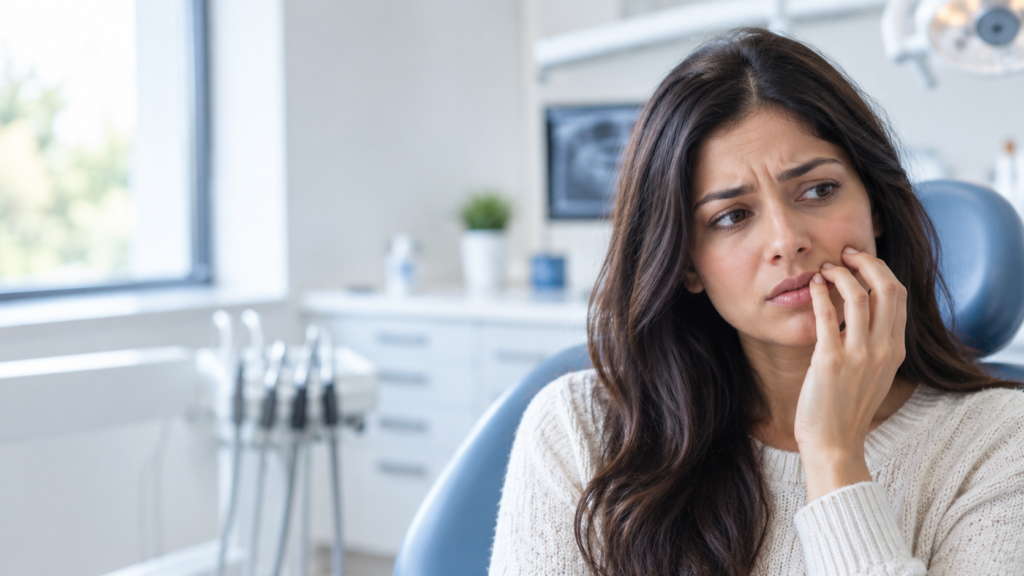
Worrying about losing teeth can be a distressing experience, affecting your confidence, emotional wellbeing, and everyday life. Unlike general dental anxiety, which often centres on dental procedures or discomfort, the fear of tooth loss is closely linked to concerns about appearance, oral health, and the ability to eat or speak comfortably. Understanding the causes of this anxiety, recognising its emotional effects, and exploring practical ways to manage it can help you feel more informed and confident about maintaining your dental health.
Understanding the Fear of Tooth Loss
Anxiety about losing teeth is a focused fear related to the potential consequences of tooth loss, such as changes in appearance, speech, eating habits, and self-esteem. This differs from general dental anxiety, which is usually centred on fear of dental procedures, pain, or the dental environment itself.
While dental anxiety may cause nervousness about visiting the dentist, this specific worry often involves deeper emotional concerns about long-term oral health and social implications. This fear can lead to avoidance of dental care, which may worsen oral health and increase anxiety.
What Causes Anxiety About Losing Teeth?
Several factors can contribute to this fear:
- Embarrassment or Shame: Concerns about how others perceive your dental health can lead to feelings of embarrassment and reluctance to seek care.
- Previous Experiences: Difficult or painful dental treatments in the past, or witnessing family members struggle with tooth loss, can heighten fear.
- Fear of Judgement: Worrying that a dentist might blame you for your dental condition, despite many factors such as genetics, medical conditions, or medications influencing oral health.
- Personality Traits: Individuals prone to anxiety or perfectionism may find the prospect of losing teeth particularly distressing.
- Health and Lifestyle Factors: Conditions like diabetes or habits such as smoking increase the risk of dental problems, potentially raising concerns about tooth loss.
Impact on Oral and Mental Health
If anxiety about losing teeth remains unaddressed, it can have significant consequences:
- Avoidance of Dental Care: Fear may lead to missed appointments, allowing dental problems to progress unchecked.
- Cycle of Anxiety and Deterioration: Avoidance can worsen oral health, which in turn increases anxiety, creating a challenging cycle.
- Emotional and Psychological Impact: Anxiety about tooth loss can cause low self-esteem, social withdrawal, and increased stress. In some cases, it may contribute to depression or broader anxiety disorders. These effects vary and should be discussed with a healthcare professional if severe.
- Physical Health Effects: Untreated dental issues can cause pain, difficulty eating, and affect nutrition and overall health.
Recognising Symptoms and Signs
Signs that this type of anxiety may be affecting you include:
Emotional symptoms:
- Persistent worry about teeth becoming loose or falling out
- Feelings of embarrassment or hopelessness about dental health
- Dreading dental appointments
Physical symptoms:
- Difficulty sleeping before dental visits
- Tension headaches or stomach aches linked to dental fears
- Avoidance of certain foods due to concerns about teeth
Behavioural symptoms:
- Cancelling or delaying dental appointments
- Frequent checking of teeth in the mirror
- Avoiding social situations because of concerns about smile or speech
Recognising these signs is the first step towards seeking support and managing your anxiety.
Practical Strategies to Cope With Tooth Loss Worries
Here are tailored coping strategies to help manage anxiety specifically about losing teeth:
- Relaxation Techniques: Practice deep breathing or progressive muscle relaxation before and during dental visits to reduce physical tension.
- Mindfulness Exercises: Focus on the present moment using grounding techniques to calm racing thoughts.
- Open Communication: Share your fears with your dentist so they can tailor their approach and provide reassurance.
- Journaling: Writing about your feelings can help identify triggers and patterns in your anxiety.
- Gradual Exposure: Start with small steps, such as a phone call or consultation, before committing to treatment.
- Support Person: Bring a trusted friend or family member to appointments for emotional support.
- Set Realistic Expectations: Focus on gradual progress rather than immediate perfection.
- Limit Negative Research: Avoid searching online for worst-case scenarios, which can increase anxiety.
If these strategies do not sufficiently reduce anxiety, professional support is available.
Professional Treatment Options for Dental Anxiety
Dentists can offer various approaches to help manage anxiety about losing teeth:
- Patient-Centred Care: Mallards Dental Practice provides a welcoming, non-judgemental environment where your concerns are respected.
- Comfort-Focused Dentistry: We use The Wand, a computer-controlled local anaesthetic delivery system designed to help minimise discomfort during injections. Individual experiences may vary, and our dental team will take steps to help you feel as comfortable as possible throughout your treatment.
- Clear Communication: Our team explains procedures step-by-step to help you feel informed and in control.
- Sedation Dentistry: For some patients, sedation may be appropriate to ease anxiety during treatment. Sedation options are carefully assessed and tailored to individual needs by qualified clinicians to ensure safety.
- Referral for Psychological Support: If anxiety about tooth loss is part of broader mental health concerns, therapies such as cognitive behavioural therapy (CBT) may be beneficial.
- Flexible Scheduling: Evening and Saturday appointments are available by arrangement to accommodate your needs.
Learn more about our range of dental treatments designed to support nervous patients.
Cosmetic and Restorative Dentistry for Peace of Mind
Restorative and cosmetic dental treatments can help alleviate anxiety by improving the appearance and function of your teeth:
- Composite Bonding: Our teeth bonding solutions can repair minor chips or gaps quickly and comfortably, enhancing tooth strength and appearance.
- Crowns and Implants: These options replace or protect damaged or missing teeth, restoring function and confidence.
- CEREC Technology: Mallards Dental uses CEREC for single-visit permanent restorations, reducing the number of appointments and associated anxiety.
- Cosmetic Dentistry: Explore our cosmetic dentistry options such as veneers, whitening, and smile makeovers tailored to your preferences.
Discuss your concerns and goals with your dentist to develop a personalised treatment plan.
Preparing for Dental Visits to Reduce Anxiety
Preparation can help make dental visits less stressful:
- Inform the Practice: Let us know about your anxiety when booking so we can prepare to support you.
- Prepare Questions: Write down any concerns or questions to discuss during your appointment.
- Arrive Early: Give yourself time to settle in and acclimatise to the environment.
- Bring Comfort Items: Headphones for music or a familiar object can help you relax.
- Agree on a Signal: Arrange a hand signal with your dentist to pause treatment if needed.
- Understand the Process: Our team will explain each step to help you feel more in control.
Mallards Dental Practice offers disabled access, free parking, and a welcoming atmosphere to support all patients.
Supporting Children and Elderly Patients With Tooth Loss Concerns
This type of anxiety can affect people of all ages, including children and older adults:
- Children: Gentle explanations, distraction techniques, and parental support can help children feel safe and reduce fear.
- Elderly Patients: Age-related dental changes and health conditions may increase anxiety. Tailored communication and flexible care plans can improve comfort and outcomes.
Mallards Dental is experienced in providing compassionate care to patients across all age groups.
Integrating Dental Anxiety Management With Overall Mental Health Care
Anxiety about losing teeth can be part of wider mental health challenges. If your anxiety:
- Interferes with daily life, work, or relationships
- Persists despite self-help efforts
- Is accompanied by low mood, sleep difficulties, or loss of interest in activities
consider seeking additional support. Talking therapies like CBT are effective for health-related anxieties. Your dentist and GP can collaborate to support your overall wellbeing.
Encouragement to Seek Professional Dental Care Despite Anxiety
If this fear is holding you back from visiting the dentist, remember that you are not alone, and help is available. Avoiding dental care can worsen oral health and increase anxiety, but gentle, supportive treatment can make a difference.
Mallards Dental Practice in Henfield is dedicated to providing patient-centred care using advanced technology and compassionate support to help nervous patients take positive steps towards better oral health.
You can book your appointment online, call us on 01273 495 966, or email enquiries@mallardsdental.co.uk. We are here to listen and support you.
Frequently Asked Questions
Anxiety about losing teeth focuses on fears related to tooth loss and its impact on appearance and function, while general dental anxiety usually concerns fear of dental procedures, pain, or the dental environment.
Embarrassment often stems from concerns about being judged for dental health or visible dental issues. Dental teams are trained to provide support without judgement.
Persistent anxiety may lead to avoiding dental care, which can worsen oral health and increase emotional distress. If anxiety affects your daily life, seek support from your dentist or GP.
Relaxation techniques, open communication with your dentist, bringing a support person, and gradual exposure to dental care can help. Professional support is available if needed.
We support nervous patients through a gentle, patient-centred approach, clear communication, and techniques designed to help manage discomfort. Where appropriate, we use The Wand, a computer-controlled local anaesthetic delivery system. Depending on individual needs and clinical suitability, additional anxiety-management options may also be discussed.