Dental Bonding: Benefits, Costs & How Long It Lasts
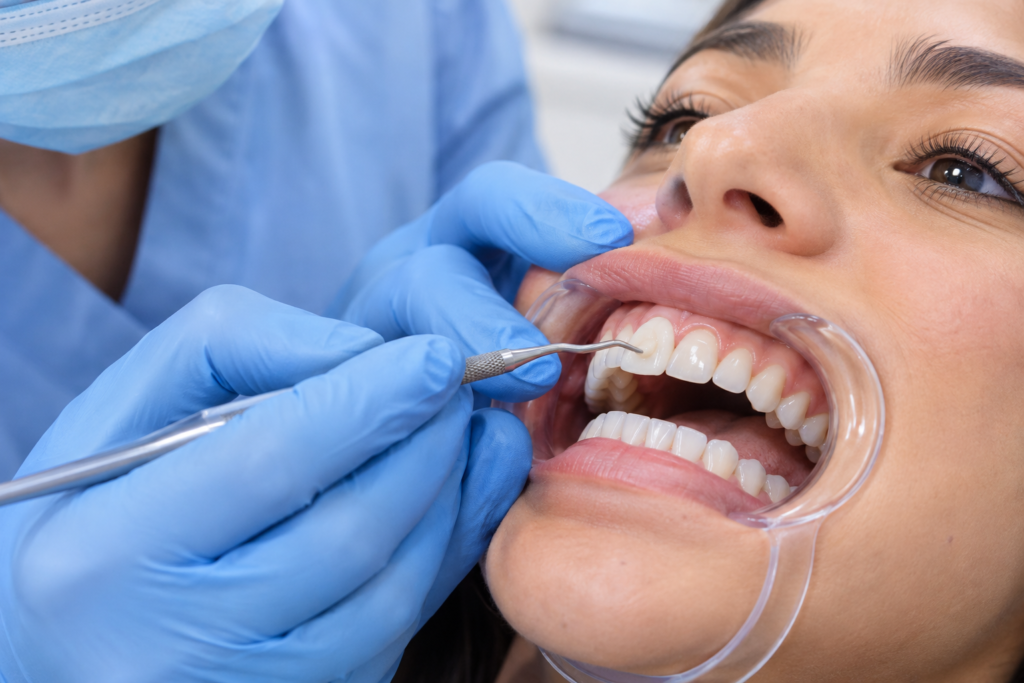
Dental bonding is a cosmetic dental procedure that uses tooth-coloured composite resin to restore or improve the appearance of teeth. This guide provides an in-depth overview of this treatment, covering how it works, who it suits, its benefits and limitations, costs, aftercare, and how it compares with other cosmetic treatments.
What Is Dental Bonding and How Does Composite Teeth Bonding Work?
This procedure, also known as composite teeth bonding, involves applying a tooth-coloured resin directly to the surface of a tooth. The dentist selects a shade that closely matches your natural teeth, then carefully shapes and polishes the resin to correct minor flaws such as chips, cracks, small gaps, or uneven edges. The composite material is hardened using a special curing light, which bonds it securely to the tooth surface.
This technique preserves most of the natural tooth structure, making it a conservative alternative to treatments like crowns or veneers. The composite resin is a plastic-based material mixed with glass or quartz fillers, designed to provide strength and a natural appearance.
Who Is a Good Candidate for Dental Bonding?
This treatment is suitable for adults and older teenagers seeking subtle cosmetic improvements. You may be a good candidate if you:
- Have small chips or cracks in your teeth
- Want to close minor spaces between teeth
- Wish to cover stains or discolouration that do not respond to whitening
- Need to reshape worn or uneven teeth
- Seek to protect exposed roots due to mild gum recession
However, dental bonding is not recommended for teeth with extensive damage, large fillings, or significant bite problems. A thorough clinical assessment by a dentist is essential to determine if bonding is appropriate for your individual case.
Step-by-Step Procedure for Composite Bonding
This cosmetic procedure is usually completed in a single appointment and involves the following steps:
1. Assessment and Shade Matching:
The dentist examines your teeth, discusses your goals, and selects a composite resin shade that closely matches your natural tooth colour.
2. Preparation:
The tooth surface is gently roughened with a mild etching solution to improve adhesion. Typically, no drilling or anaesthesia is required unless there is sensitivity or decay.
3. Application of Composite Resin:
The resin is applied in layers, with the dentist shaping it to achieve the desired appearance.
4. Curing:
Each layer is hardened using a blue curing light, bonding the resin firmly to the tooth.
5. Finishing and Polishing:
The dentist trims and polishes the bonded area to blend seamlessly with surrounding teeth.
Most patients find the procedure comfortable and appreciate its speed and minimal invasiveness.
Benefits and Limitations of Composite Bonding
Benefits
- Minimally invasive: Preserves natural tooth structure.
- Quick treatment: Often completed in one visit.
- Cost-effective: Generally less expensive than veneers or crowns.
- Repairable: Composite bonding can often be repaired or replaced. Complete removal without affecting the underlying tooth is not always possible, particularly if enamel preparation was required.
- Versatile: Suitable for correcting chips, small gaps, stains, and minor reshaping.
Limitations
- Durability: Composite resin is less wear-resistant than porcelain or natural enamel.
- Staining: More prone to staining from substances like tea, coffee, red wine, and tobacco.
- Chipping risk: Bonded areas can chip or wear, especially if you grind your teeth or bite hard objects.
- Not suitable for major repairs: Unsuitable for teeth with large cavities or significant bite issues.
Long-Term Durability: Composite Bonding Compared to Other Treatments
Clinical studies indicate that composite bonding typically lasts between 3 and 7 years, depending on factors such as tooth location, oral hygiene, and lifestyle habits. In contrast, porcelain veneers generally last 10 to 15 years, offering greater durability and stain resistance. Teeth whitening effects last between 6 and 24 months but with their duration varying depending on factors such as diet, smoking, and oral hygiene. Whitening changes tooth colour but does not alter tooth shape or structure.
Composite bonding’s lower durability means it may require repairs or replacement over time. However, its potential for repair and generally lower initial cost compared with porcelain veneers or crowns may make it a suitable option for patients seeking minor cosmetic improvements.
Environmental and Health Considerations of Composite Resin Materials
Modern composite resins are mercury-free and composed of plastic polymers combined with glass or quartz fillers to enhance strength and aesthetics. These materials are biocompatible and widely used in dental practice.
Dental clinics adhere to strict protocols for handling and disposing of composite materials to minimise environmental impact. Regulatory bodies such as the MHRA and NICE provide guidelines to ensure patient safety and environmental responsibility.
Research continues into developing more sustainable and biocompatible dental materials, but current composites represent a well-established balance of safety, performance, and environmental considerations.
Innovations and Recent Advances in Cosmetic Bonding Materials
Nano-hybrid composite resins are among the materials used in modern cosmetic dentistry. Their performance and appearance depend on the specific material, clinical technique, and individual treatment circumstances. Additionally, digital technologies such as CEREC enable precise, single-visit restorations that can complement bonding treatments.
Techniques to enhance bonding strength and reduce staining are also evolving, improving long-term outcomes for patients.
Troubleshooting Common Bonding Problems and How to Fix Them
Staining
Composite resin is more porous than enamel and can absorb stains from tea, coffee, red wine, and tobacco. Surface stains can often be polished away during routine dental cleanings. Deeper or persistent staining may require replacement of the bonded material.
Chipping or Wear
Bonded areas may chip or wear down, especially if you bite hard objects or grind your teeth. Small chips can usually be repaired quickly by adding new composite resin.
Colour Mismatch
Over time, natural teeth may change colour, causing bonded areas to stand out. The resin can be replaced or refreshed to match your current tooth shade.
Sensitivity
Mild sensitivity after bonding is common but typically resolves within a few days. Persistent or severe sensitivity should be evaluated by your dentist.
Regular dental check-ups help identify and address these issues early to maintain the appearance and function of bonded teeth.
Patient Lifestyle Factors Affecting Bonding Success
Certain habits and lifestyle factors can influence the longevity and appearance of this treatment:
- Diet: Frequent consumption of staining foods and drinks (coffee, tea, red wine) can discolour composite resin.
- Smoking: Tobacco use increases staining risk.
- Oral habits: Nail biting, chewing pens, or biting hard objects can cause chipping.
- Teeth grinding (bruxism): Can wear down or damage bonded areas; a mouthguard may be recommended.
- Oral hygiene: Good brushing and flossing habits reduce decay risk around bonded teeth.
Discussing your lifestyle with your dentist helps tailor aftercare advice to maximise bonding success.
Aftercare Instructions and Longevity
To prolong the life of composite bonding, follow these aftercare tips:
- Brush twice daily with a soft toothbrush and non-abrasive toothpaste.
- Floss daily to prevent decay around bonded areas.
- Limit intake of staining foods and drinks.
- Avoid biting hard objects such as ice, pens, or fingernails.
- Use a mouthguard if you grind your teeth or play contact sports.
- Attend regular dental check-ups and professional cleanings.
With proper care, this cosmetic solution can maintain its appearance and function for several years.
Cost of Treatment
This procedure is generally more affordable than veneers or crowns, making it accessible for many patients. Costs depend on:
- The number of teeth treated
- The complexity of the case
- Whether additional treatments are needed
Most dental insurance policies do not cover bonding for purely cosmetic reasons, though functional repairs may be eligible in some cases. For detailed pricing, see the Mallards Dental practice’s fee guide.
Payment options may be available for eligible patients. Please contact Mallards Dental Practice for details of current arrangements and applicable terms.
Expert Insights from Mallards Dental Practice
At Mallards Dental Practice, we prioritise patient comfort and evidence-based care. Composite teeth bonding offers a practical, minimally invasive solution for many patients seeking to enhance their smile. We use technologies such as CEREC for suitable single-visit restorations and The Wand, a computer-controlled local anaesthetic delivery system designed to help improve patient comfort. Individual treatment experiences may vary.
Frequently Asked Questions
A tooth-coloured resin is applied to the tooth surface, shaped to correct imperfections, and hardened with a special light to bond securely. The result blends naturally with your teeth.
Most patients find this treatment comfortable. Anaesthesia is rarely needed unless treating sensitivity or decay.
Composite bonding can typically last between 3 and 7 years, although individual results vary depending on factors such as oral hygiene, lifestyle habits, and the location of the treated teeth. Good oral care and avoiding damaging habits may help extend its lifespan.
No. Composite resin does not respond to whitening treatments. It is advisable to whiten teeth before bonding so the resin can be matched to your preferred shade.
Avoid biting hard foods or objects, limit staining foods and drinks, and avoid smoking.
Brush and floss daily, attend regular dental check-ups, and have professional cleanings to maintain appearance and health.
Small chips can be repaired, and surface stains polished off. Deep stains or damage may require replacement of the bonded resin.
This option is best for minor cosmetic corrections. Extensive damage or bite issues may require alternative treatments. Only a dentist can confirm suitability after examination.